Designed Around the Way You Actually Style Your Hair

FILVIN STORIES · 05

Good design begins before a product is switched on.

It begins with understanding the person holding it: how much time they have, how they move, what they notice, what frustrates them, and what they should not have to think about at all.

Start With the Routine, Not the Feature List

Hair tools are easy to describe through specifications.

Temperature ranges. Heating speed. Materials. Ionic technology. Barrel sizes. Buttons. Displays.

These details matter, but they are not the way most people experience a styling tool.

In real life, you experience it as a sequence of moments.

You pick it up. Switch it on. Choose a setting. Divide your hair. Style one section, then another. Adjust your grip. Put the tool down. Pick it up again. Finish. Switch it off. Store it away.

That sequence is where design becomes real.

THE REAL STYLING JOURNEY

Pick up → Set → Section → Style → Adjust → Finish → Store

The Tool Should Make Sense in Your Hand

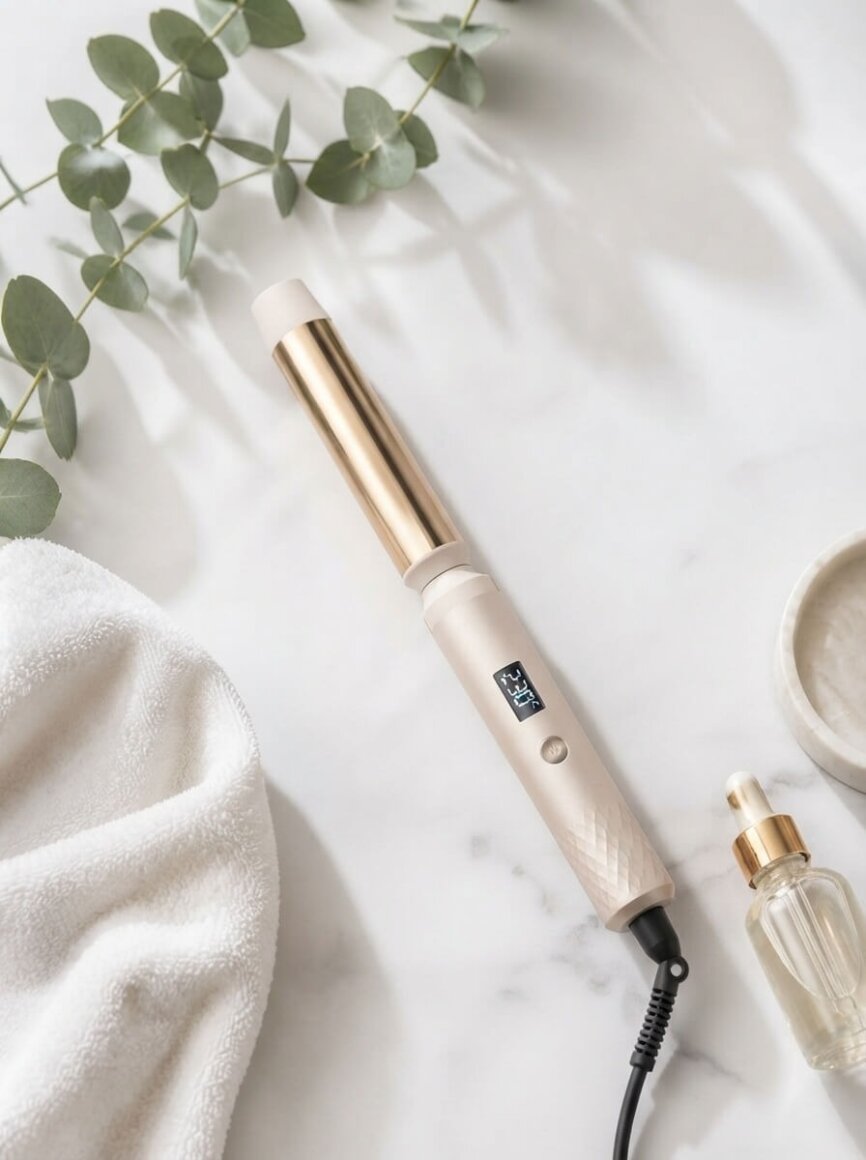
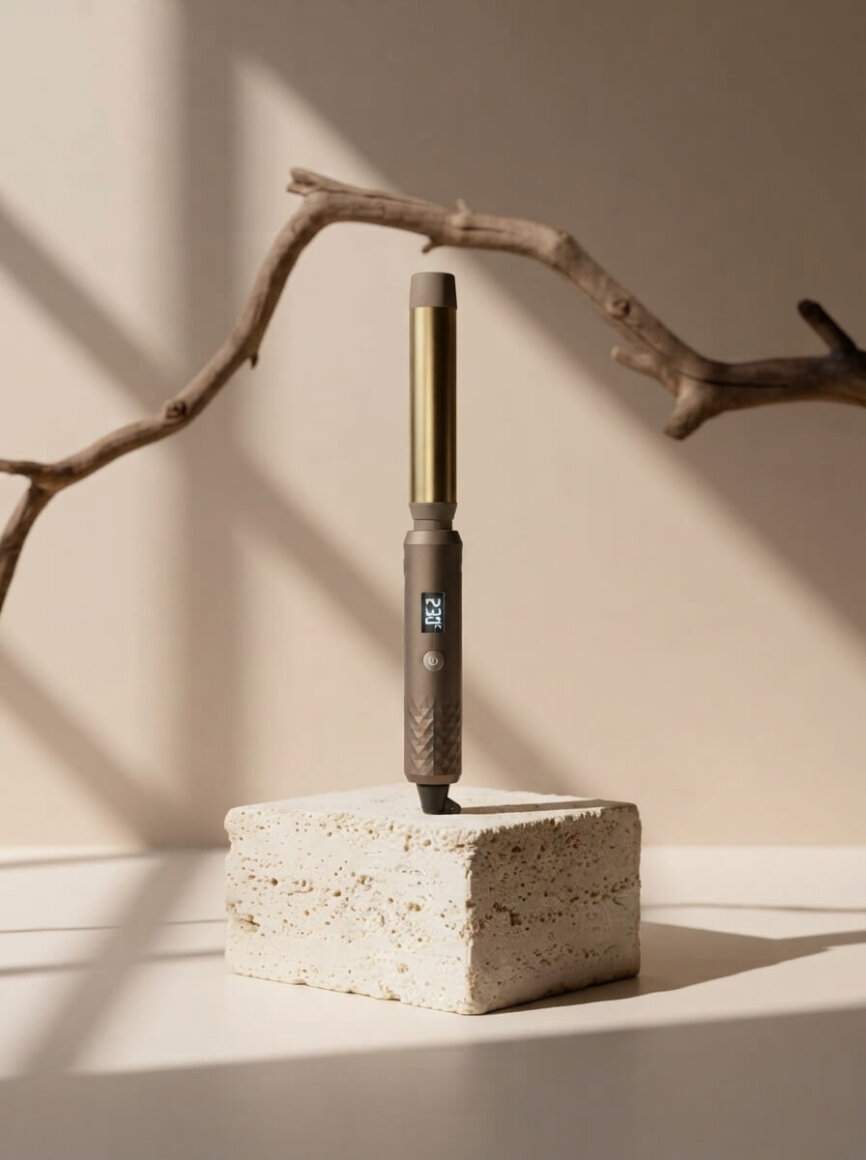
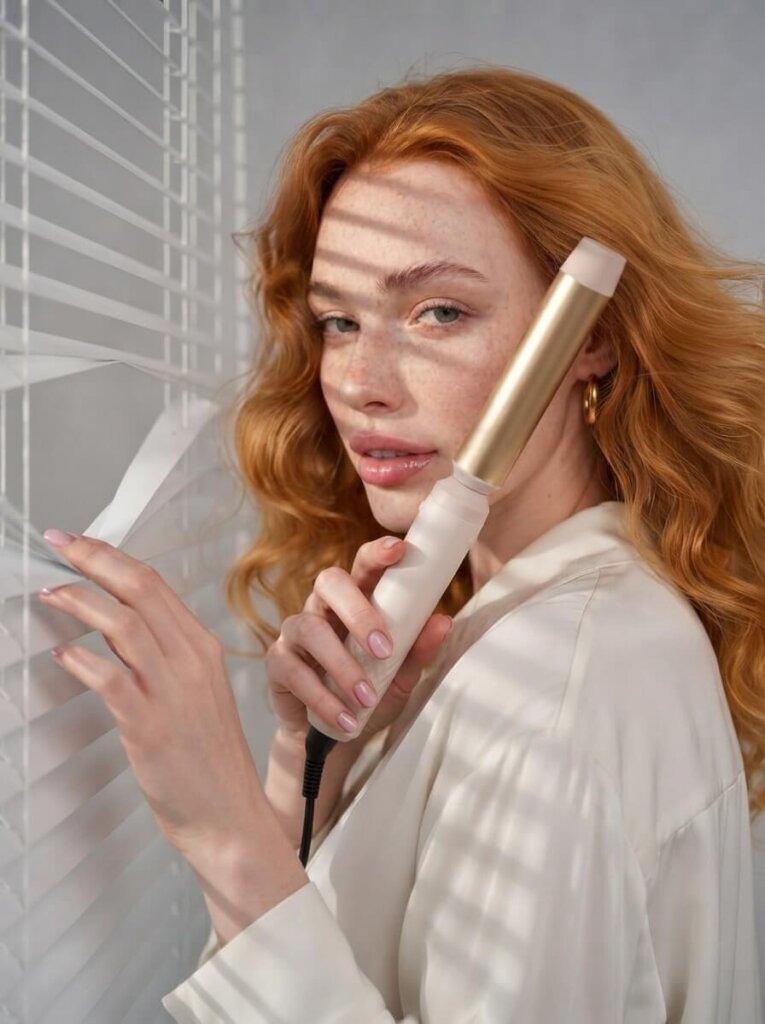
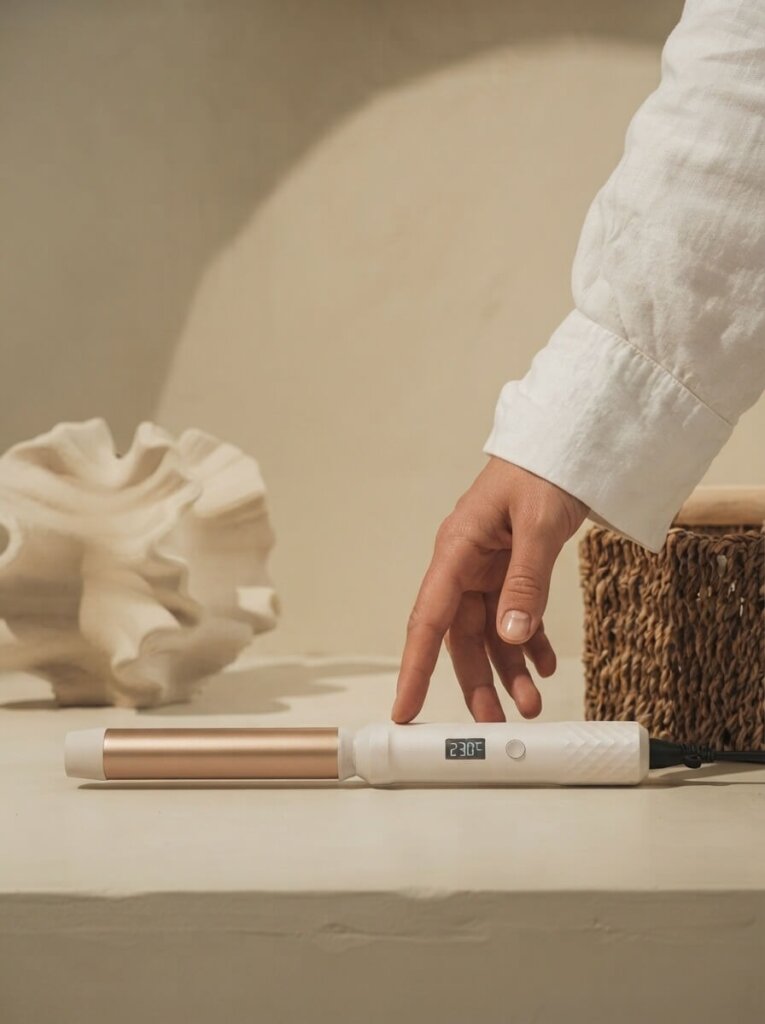
A styling tool spends most of its useful life in your hand, so the physical experience matters.

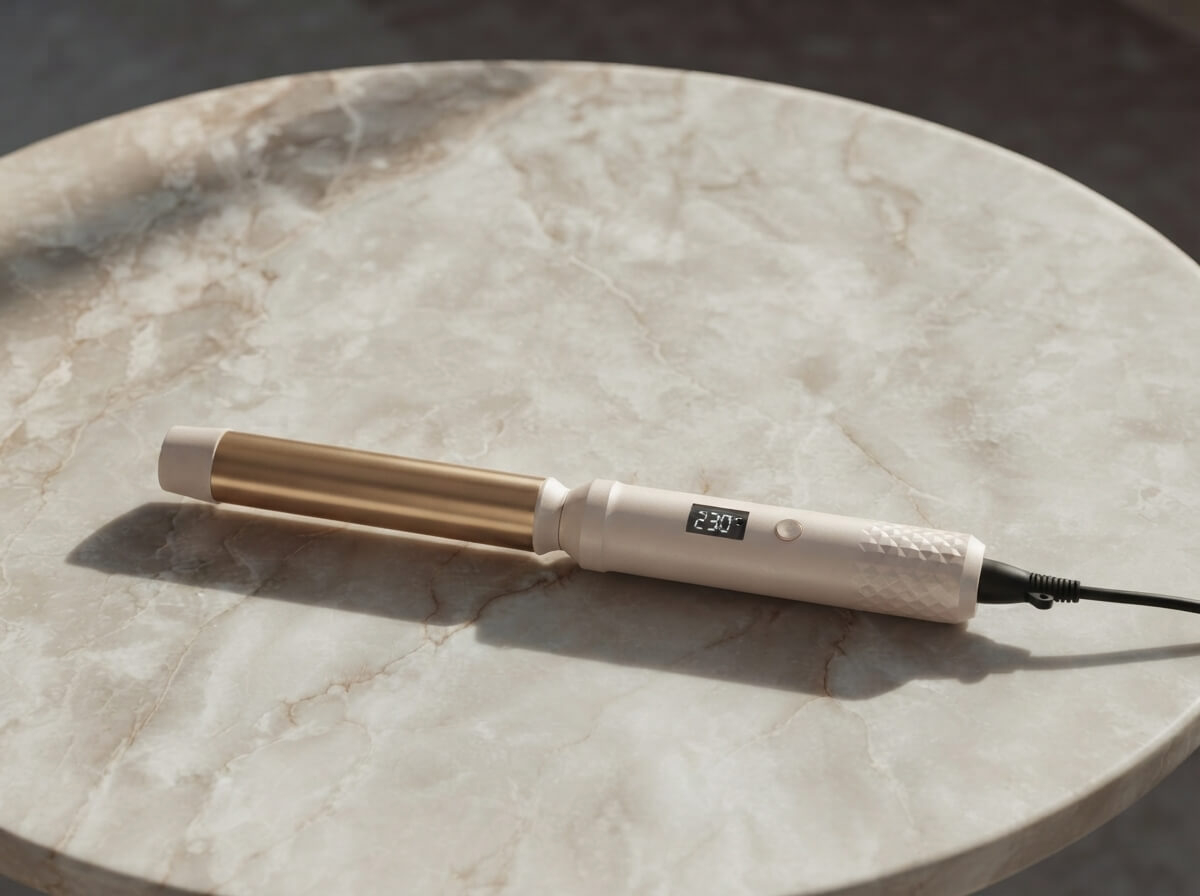
Where are the controls when you are holding it? Can you change a setting without awkwardly rotating the tool? Are you likely to press something accidentally while styling? Does the shape make sense as you move around the back of your head?

These details can look minor on a product page.

After hundreds of uses, they are not minor anymore.

We believe thoughtful design should reduce the number of small interruptions between you and the result you want.

More Settings Are Not Always More Useful

It is tempting to think that more functions automatically make a product better.

But every additional option asks the user to understand something, choose something, or remember something.

Sometimes that choice is valuable. Sometimes it is simply complexity.

For us, the better question is not “How many features can we add?” It is “Which features actually improve the way someone styles their hair?”

Useful temperature control, for example, matters because different hair conditions and styling goals can require different levels of heat. A feature earns its place when it gives the user meaningful control.

Good design doesn't ask for attention. It gives attention back.

Consistency Changes the Way You Style

When a tool behaves consistently, you learn how your hair responds to it.

You know approximately which temperature works for you. You understand how quickly to move. You begin to recognize the section size that gives you the result you want.

That familiarity can make styling faster and more intuitive.

Inconsistent performance does the opposite. It can lead to slower passes, repeated sections, higher settings, and more trial and error.

This is why performance is not separate from experience. Reliability is part of usability.

We Think About the Moments Between Styling

A hair tool is not only used while it is touching your hair.

You put it down between sections. You may need to reposition the cord. You wait for it to cool. You pack it away. You take it with you.

These in-between moments are easy to ignore when designing around specifications alone.

But everyday products live in everyday spaces—bathroom counters, bedroom vanities, drawers, suitcases, and sometimes very small shelves.

Good design should understand that reality too.

Technology Should Have a Reason to Be There

We are interested in technology, but not technology for its own sake.

Fast heating matters when it shortens waiting. Stable heat matters when it helps create more consistent styling. Temperature choice matters when it lets you respond to your hair’s condition. Ionic technology can be useful when it helps reduce static and supports a smoother styling experience.

The value is not in being able to print another technical term on a box.

The value is in what changes for the person using the product.

OUR DESIGN QUESTION

What does this make easier for the person using it?

Care Can Be Designed Into the Experience

Care is not one button or one technology.

It can be the ability to choose a lower temperature when your hair needs it. It can be consistent performance that reduces the urge to repeat the same section. It can be controls that are easier to understand, or a shape that makes the tool feel more natural to handle.

None of these details can guarantee that hair will never be damaged. Technique, temperature, frequency, chemical treatments, and the condition of the hair all matter.

But products can be designed to support more thoughtful choices.

That is the kind of care we are interested in.

Design for the Hundredth Use

A new product is easy to appreciate on the first day.

Everything feels new. You notice the finish, the packaging, the display, the sound of the switch.

We are more interested in what happens later.

Does it still feel intuitive after a month? Do the controls still make sense when you are in a hurry? Does the product fit naturally into the place where you actually keep it? Do you reach for it without having to think?

The hundredth use tells you more about design than the first.

Designed for real mornings, real hair, and real routines.

Where Filvin Is Going

Filvin is still being built, and that gives us the opportunity to keep asking these questions from the beginning.

We want to develop styling tools around how people actually use them—not only how products look in a specification sheet.

That means paying attention to performance and technology, but also to the quiet details around them: the grip, the controls, the rhythm of styling, the amount of effort, and the way the finished hair moves.

Because when design is thoughtful, the product becomes less of the story.

You simply get ready—and move on with your day.

Less friction. More freedom to style.

That is the experience we want to keep designing toward.

Continue Reading